 EN
 IT
 DE
 FR
 AR
 ES
 NL

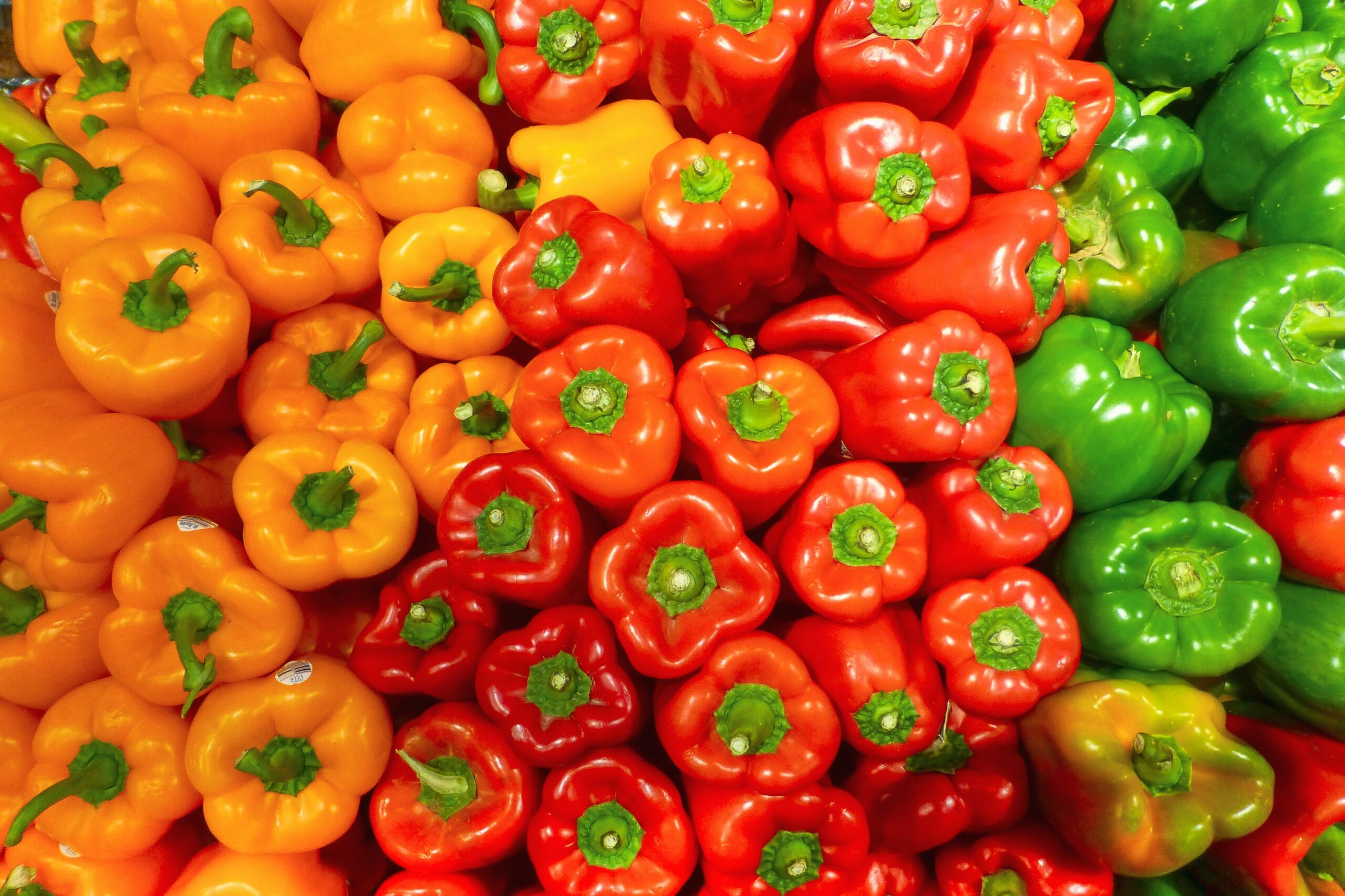
Growing Bell Peppers in a Greenhouse
Growing Bell Peppers in a Greenhouse
Growing bell peppers in a greenhouse requires a carefully tailored nutrition strategy. The bell pepper plant has a long growing season during which vegetative growth, flowering, fruit set, and fruit development constantly influence one another. To maintain a healthy crop, good yields, and high-quality fruits throughout this period, nutrients must be available at the right time and in a form that is easily absorbed.
Biota Nutri supports professional growers with plant-based and fully soluble fertilizers that fit within a targeted nutrition strategy for growing bell peppers.
Some Tips for Growing Bell Peppers
Successful greenhouse bell pepper cultivation starts with a good balance between plant growth and fruit load. A bell pepper plant must maintain sufficient vegetative vigor to develop new flowers and fruits over a long period, without compromising yield or fruit quality.
Key considerations:
- Ensure a balanced supply of nutrients throughout the various growth stages.
- Pay attention to phosphorus from the start to ensure good root development and energy supply.
- Adjust the potassium application to match the fruit load and fruit development.
- Monitor the EC and the ratio of different anions in the nutrient solution.
- Prevent unnecessary accumulation of chloride and sulfate when supplementing potassium.
- Adjust the nutrient supply for bell pepper plants based on soil tests, crop development, climate, and production goals.
When growing bell peppers in a greenhouse, it’s important not to focus solely on individual elements. The balance between nutrients helps determine how efficiently the plant can absorb them. A targeted nutrition strategy therefore supports root development as well as plant growth, fruit set, and ultimate yield. Below is a selection of our solutions:

Biota Phos
Biota Phos 8% is a liquid, plant-based phosphorus fertilizer containing 8% P₂O₅. The phosphorus is fully dissolved and therefore immediately available to the plant. This makes Biota Phos an attractive alternative to rock phosphate, which is difficult for plants to absorb. An adequate supply of phosphorus supports root development, growth, flowering, and fruit quality.
- Phosphorus is immediately available for uptake
- supports root development and growth
- contributes to flowering and fruit quality

Biota Potassium
Biota Potassium 15% is a liquid, plant-based fertilizer containing 15% K₂O. The potassium is fully dissolved and can therefore be absorbed directly by the plant. In bell pepper cultivation, this allows for the targeted addition of potassium without having to use a chloride- or sulfate-based potassium source. This gives you more control over the composition of the nutrient solution. Potassium also supports strong crop development and good fruit quality.
- immediately available potassium
- enables targeted control of potassium application
- supports fruit development and fruit quality
Additional Nutrients for Bell Pepper Plants
When growing bell peppers, nutritional needs are constantly changing. A young bell pepper plant requires a carefully balanced basic nutrient supply for a strong start and a well-developed root system. As the plant continues to develop and transitions to flowering, fruit set, and production, its needs shift, and other nutrients become increasingly important.
In addition to the well-known primary nutrients such as phosphorus and potassium, other elements can also play a valuable role in the cultivation of bell pepper plants. These include supplemental nutrients that contribute to balanced growth, a stable crop, and good fruit development throughout the entire growing cycle.
However, every crop is different. Variety, climate, growing medium, water quality, and cultivation strategy all work together to determine which nutrients require extra attention. That is why it is important not only to apply standard fertilizers, but also to consider what the crop actually needs at that moment.
Professional cultivation is therefore not just about basic nutrition, but rather about optimizing and supplementing the entire nutrition strategy. Biota Nutri would be happy to discuss this with you so that, together, we can develop a suitable and targeted nutrition solution for your bell pepper cultivation.
Suitable options are also available for organic growers. Please contact us for personalized advice.
Calculate the amount of fertilizer you need
Easily find out how much Biota fertilizer you need for your crops with our Grow Calculator.
Challenges of Growing Bell Peppers
Growing bell peppers in a greenhouse means that the grower must maintain a balance between growth and production throughout a long growing season. Any disruption in the nutrient supply can affect root development, plant growth, fruit set, and fruit quality.
- Rock phosphate is an important source of phosphate, but it is poorly available to plants. Biota Phos is an excellent alternative. It ensures better phosphate uptake, resulting in high-quality fruit and higher yields.
- Potassium supply: During fruit development and under high fruit load conditions, the importance of an adequate potassium supply increases.
- Chloride and sulfate: The chosen potassium source influences which nutrient solution is added. Targeted potassium fertilization offers more options for managing these levels.
Growing Bell Peppers in a Greenhouse or Outdoors in Open Ground
Although professional production is largely focused on growing bell peppers in greenhouses, bell peppers can also be grown outdoors in open ground. When growing bell peppers outdoors, temperature, soil structure, moisture supply, and nutrient availability have a greater influence on the crop’s development.
When growing bell peppers in open ground, an active root system is particularly important. The availability of phosphorus, for example, is strongly influenced by soil properties. The availability of other nutrients can also vary depending on pH, soil temperature, and moisture content.
For professional growers, therefore, the same basic principle applies: tailor fertilization to growing conditions and ensure that essential nutrients are actually available for uptake.
How Biota Nutri Supports Bell Pepper Growers
Biota Nutri develops plant-based and circular fertilizers for professional agriculture and horticulture. In bell pepper cultivation, the focus is not on a single product, but on a nutrient strategy tailored to the growth stage, the cultivation system, and the crop’s current needs.
Biota Phos and Biota Potassium enable growers to apply these two important nutrients in a targeted manner. Both products are suitable for various cultivation systems, including substrate-based and soil-based cultivation.
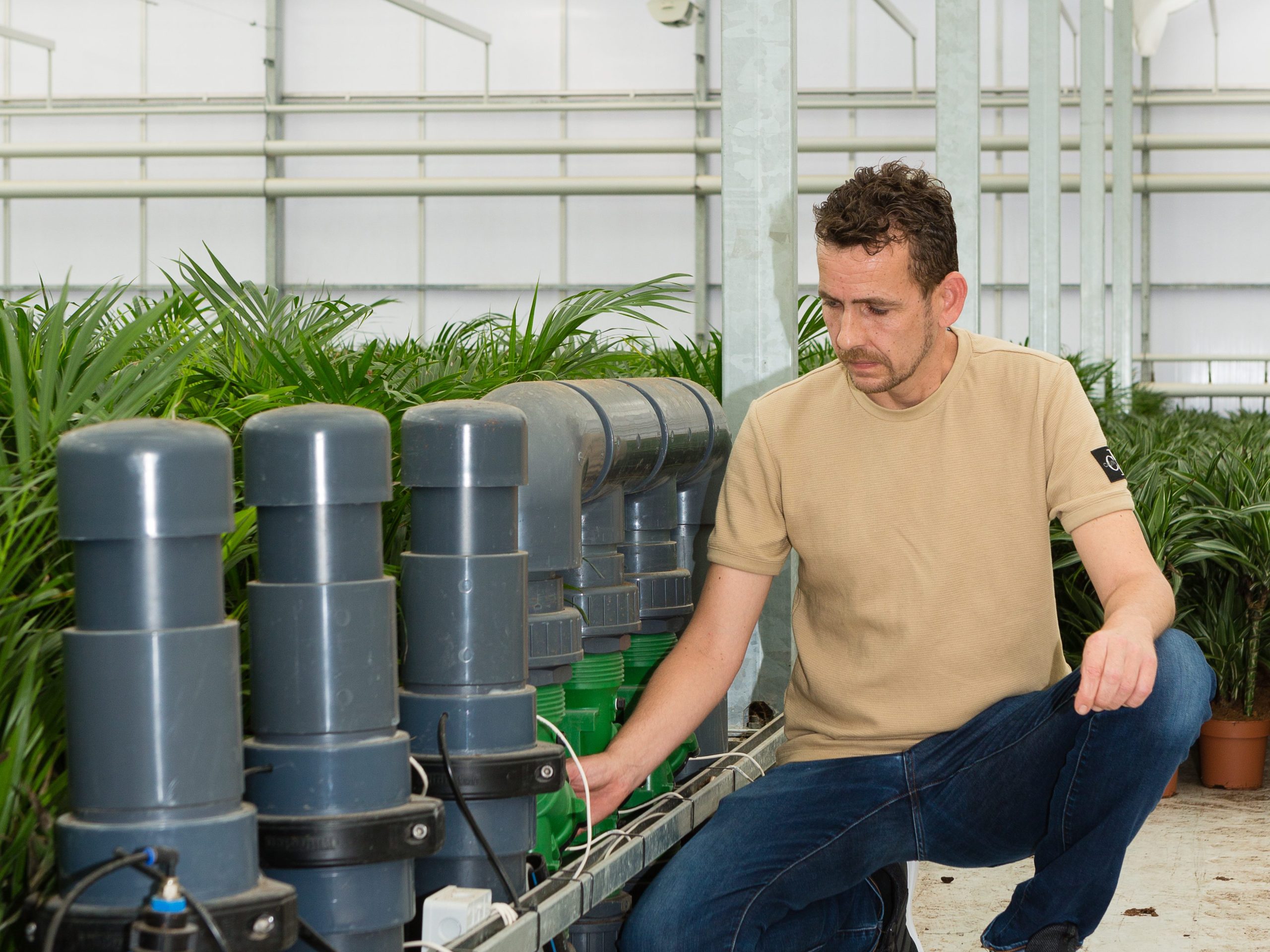
Our approach is a perfect fit for growers who aim to:
- a healthy plant throughout the entire growing cycle
- efficient utilization of nutrients
- control over the composition of the nutrient solution
- A good balance between crop growth and fruit load
- a sustainable and circular fertilization strategy
The optimal approach varies by crop. Water quality, growing medium, climate, variety, plant density, and the existing feeding schedule collectively determine which fertilization strategy is best suited to your bell pepper crop.
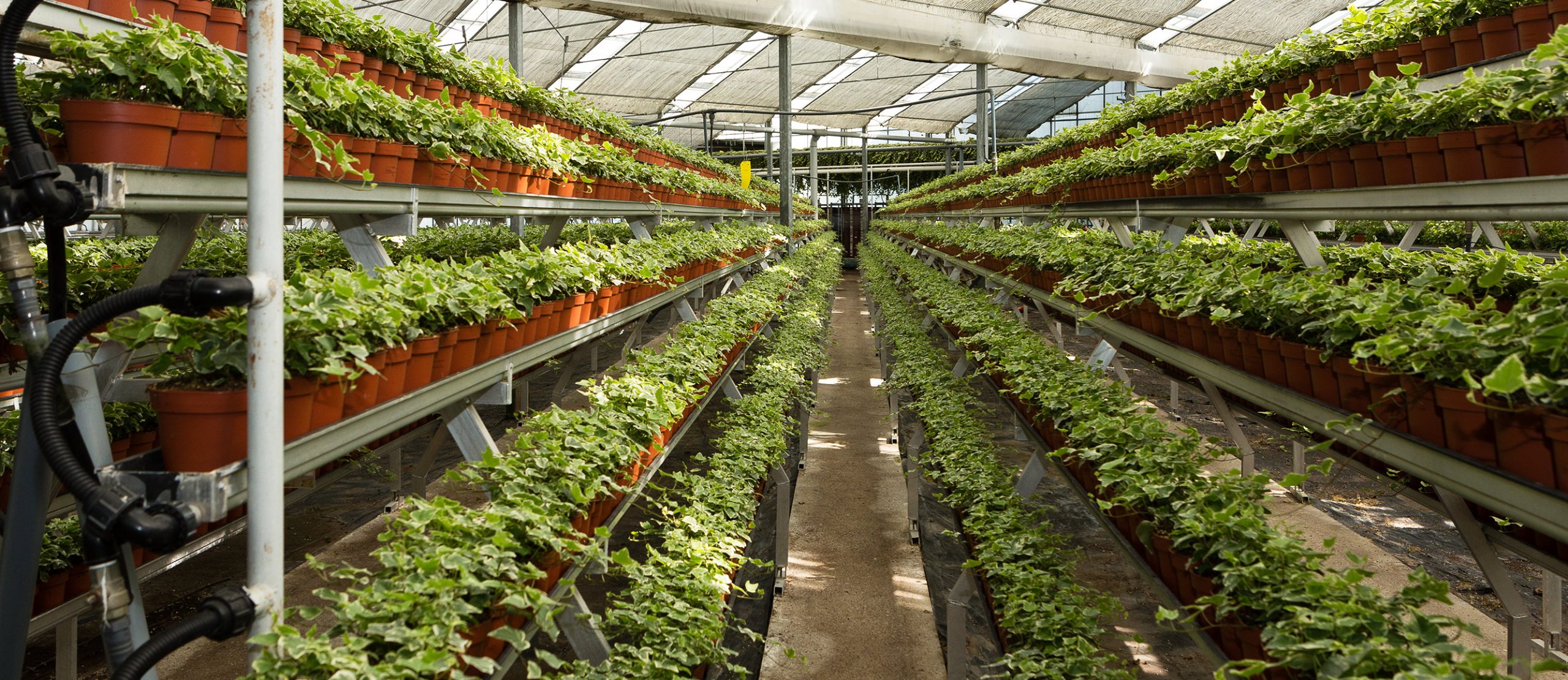
Looking for advice on caring for your bell pepper plants?
Would you like to grow bell peppers in a greenhouse using a nutrient strategy tailored to your growing system and production goals? Or would you like to know how to use phosphorus and potassium more effectively without unnecessarily increasing chloride and sulfate levels?
Our cultivation specialists will review your entire fertilization schedule and advise you on the use of products such as Biota Phos and Biota Kalium within your cultivation strategy.
Please contact us for tailored fertilization advice.
Prefer to try first? In some cases a trial package is available. Ask us about the possibilities.
Frequently Asked Questions
When should I sow bell peppers?
The right time to sow depends on the growing system, variety, and desired planting and harvesting periods. Bell peppers need plenty of warmth for proper germination and development.
When to harvest bell peppers?
The harvest time depends on the variety, the desired color, and the market. Bell peppers can be harvested while still green or left on the plant longer until they turn red, yellow, or orange.
What nutrients do my bell pepper plants need?
Bell pepper plants need nitrogen, phosphorus, potassium, calcium, magnesium, and trace elements, among other nutrients. The exact requirements depend on the growth stage, fruit load, soil analyses, and growing conditions.
How does a bell pepper grow?
After the roots and leaves have developed, flowers form, from which the fruits grow following pollination. Because growth, flowering, and fruit development occur simultaneously, growing bell peppers in a greenhouse requires a good balance between plant growth, climate, irrigation, and nutrition.